Electric car rental pros and cons: A nonprofit guide
electric car rental pros and cons

Electric car rental pros and cons: A nonprofit guide

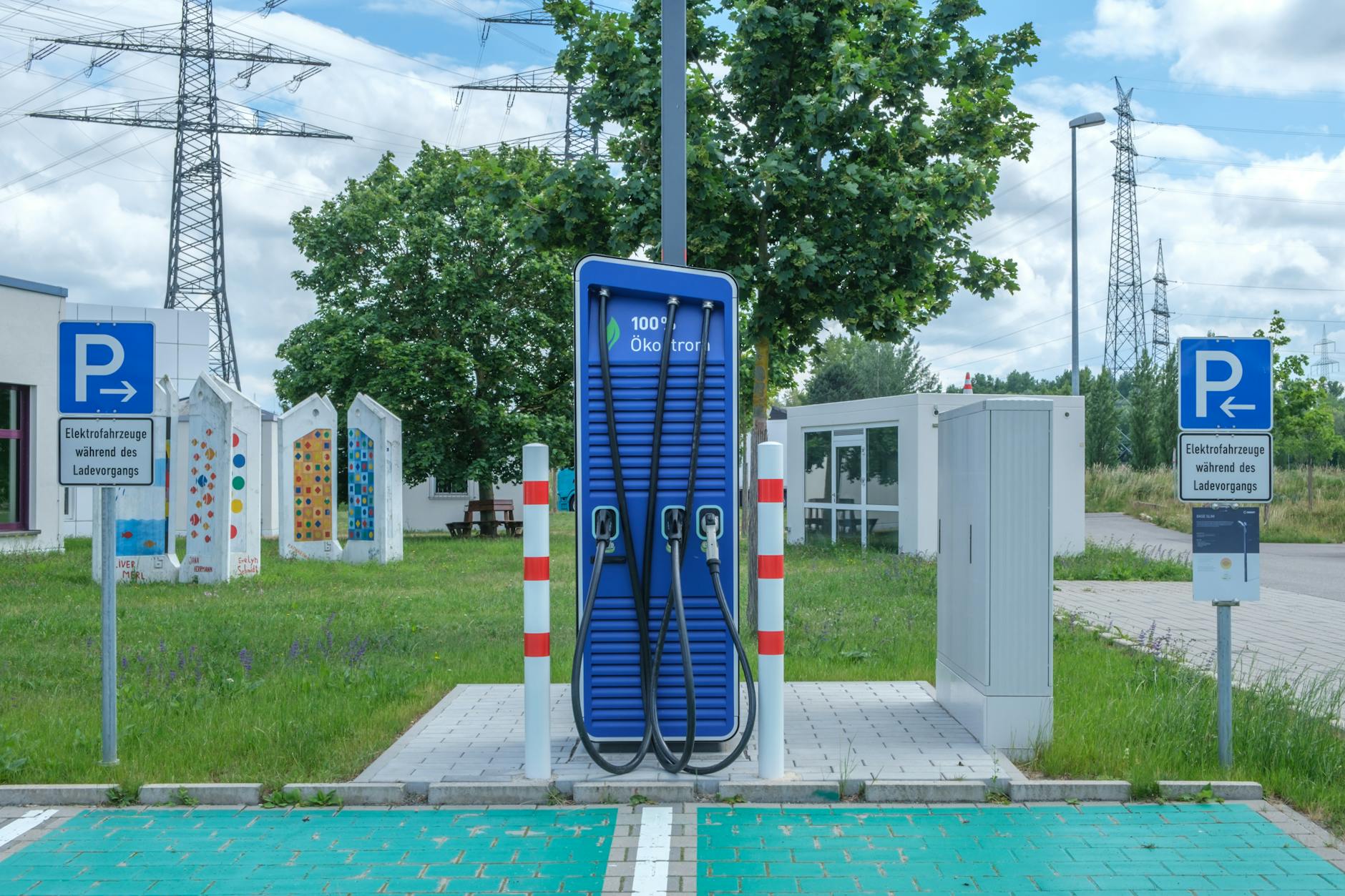
Public charging station with eco-friendly design for electric vehicles.Photo: Reinhard Bruckner / Pexels

Electric car rental pros and cons: A nonprofit guide

Unlocking the potential of electric vehicle rentals for your nonprofit's mission and bottom line.

Explore EV Rentals Now

Key Takeaways

  • ✓ Electric vehicle rentals can significantly reduce fuel costs for nonprofits.
  • ✓ EVs offer a lower carbon footprint, aligning with sustainability goals.
  • ✓ Charging infrastructure availability remains a key consideration for EV rentals.
  • ✓ Government incentives and grants may be available for nonprofits adopting EVs.

How It Works

1
Assess Your Needs

Determine the type of trips, mileage, and passenger/cargo capacity your nonprofit requires. This initial assessment helps in selecting the most suitable EV model.

2
Research Rental Providers

Look for rental companies that offer electric vehicles and have a presence in your operational areas. Compare rates, vehicle availability, and insurance options specific to nonprofits.

3
Understand Charging Logistics

Before renting, plan your charging strategy. Identify public charging stations along your routes or consider options for workplace/home charging if applicable.

4
Evaluate Total Cost of Ownership

Beyond the rental fee, factor in potential fuel savings, charging costs, and any available tax credits or grants for EV use. This provides a comprehensive financial picture.

The Unfolding Benefits of Electric Vehicle Rentals for Nonprofits

A volunteer organizing aid deliveries including food and medicine from a van.Photo: RDNE Stock project / Pexels
For nonprofit organizations across the United States, embracing sustainability is not just an ethical choice; it's increasingly becoming a strategic imperative. As the world shifts towards greener practices, electric vehicles (EVs) offer a compelling pathway for nonprofits to reduce their environmental impact, enhance their public image, and, perhaps surprisingly, even improve their financial efficiency. Renting electric cars, rather than purchasing them outright, presents a flexible and accessible entry point into this evolving landscape. The immediate and most apparent benefit is the significant reduction in operational costs. Gasoline prices are notoriously volatile, making budgeting for transportation a constant challenge for organizations operating on tight budgets. EVs, on the other hand, run on electricity, which is generally more stable and often cheaper per mile than gasoline. This can lead to substantial savings over time, freeing up valuable resources that can be redirected directly to core mission-related activities. Imagine a food bank reducing its delivery costs, allowing them to serve more families, or a conservation group allocating more funds to environmental protection programs instead of fuel bills. These are tangible impacts that directly benefit the communities and causes nonprofits serve. Beyond the financial advantages, the environmental benefits are profound. Nonprofits often champion causes related to community well-being, health, and environmental preservation. Operating a fleet of electric vehicles, even through rentals, directly aligns with these values. EVs produce zero tailpipe emissions, contributing to cleaner air in urban and rural areas alike. This commitment to reducing carbon footprint resonates deeply with donors, volunteers, and the general public, bolstering the organization's reputation and credibility. In an era where corporate social responsibility is highly valued, a nonprofit's adoption of sustainable practices can be a powerful fundraising tool and a differentiator in a competitive landscape. Furthermore, the experience of driving an EV is often quieter and smoother, which can contribute to a more pleasant experience for staff and volunteers who spend considerable time on the road. This can enhance job satisfaction and potentially reduce driver fatigue, leading to safer operations. The technological advancements in EVs also mean that many come equipped with advanced safety features and connectivity options, further supporting efficient and secure transportation for nonprofit activities. The flexibility of renting also means that nonprofits can scale their EV usage up or down based on project needs, without the long-term commitment and depreciation concerns associated with vehicle ownership. This adaptability is particularly valuable for organizations with fluctuating operational demands or those piloting new programs. For more insights on sustainable practices, consider exploring resources on nonprofit sustainability initiatives. This approach allows nonprofits to test the waters of EV adoption, understand their specific needs and challenges, and make informed decisions about future fleet strategies without significant capital outlay. It's a low-risk, high-reward proposition for many. Another often overlooked benefit is the potential for enhanced public relations and community engagement. When a nonprofit visibly uses electric vehicles, it sends a powerful message about its commitment to environmental stewardship. This can attract new volunteers, inspire donors, and foster stronger community partnerships. Imagine a youth environmental program using an electric van to transport participants to a clean-up event; this not only provides transportation but also serves as a living example of sustainable choices. It creates a teaching moment, sparking conversations about climate change and individual actions. Moreover, many governments and foundations are increasingly prioritizing funding for projects that demonstrate environmental responsibility. By incorporating EV rentals into their operations, nonprofits may become more attractive candidates for grants and funding opportunities specifically aimed at promoting green initiatives. This opens up new avenues for financial support, diversifying revenue streams and strengthening the organization's long-term viability. The choice to rent electric cars, therefore, extends beyond mere transportation; it becomes an integral part of a nonprofit's mission, values, and strategic positioning within the community and the broader philanthropic sector. It allows organizations to lead by example, demonstrating practical solutions to global challenges at a local level.

Navigating the Challenges: Addressing the 'Cons' of EV Rentals
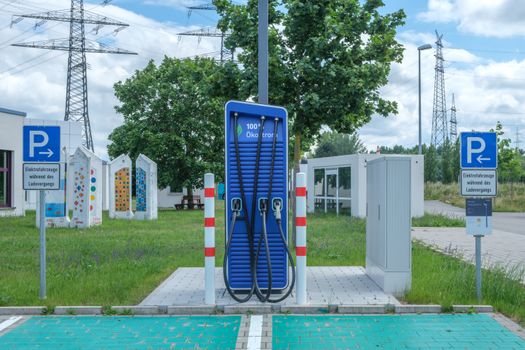
Public charging station with eco-friendly design for electric vehicles.Photo: Reinhard Bruckner / Pexels
While the advantages of electric car rentals for nonprofits are substantial, it's equally important to approach this transition with a clear understanding of the potential challenges. Being aware of these 'cons' allows organizations to proactively develop strategies to mitigate them, ensuring a smooth and successful integration of EVs into their operations. Perhaps the most frequently cited concern is the availability and accessibility of charging infrastructure. Unlike gasoline stations, which are ubiquitous, public EV charging stations are still developing, especially in certain rural or underserved areas of the US. Nonprofits operating in these regions, or those undertaking long-distance trips, might face 'range anxiety' – the fear of running out of charge before reaching a charging point. This necessitates careful route planning and often requires drivers to spend time locating and waiting for vehicles to charge, which can impact efficiency and scheduling. The speed of charging also varies significantly, with standard Level 2 chargers taking several hours for a full charge, while DC fast chargers can replenish a battery much quicker but are less common and often more expensive. Another significant consideration is the upfront rental cost. While EVs promise long-term fuel savings, the daily or weekly rental rates for electric vehicles can sometimes be higher than comparable gasoline-powered cars, especially for premium models. This initial cost difference can be a barrier for nonprofits with extremely limited budgets, even if the total cost of ownership (TCO) over the rental period might be lower. Organizations need to conduct a thorough cost-benefit analysis, factoring in projected fuel savings against the higher rental price. Additionally, the variety of EV models available for rent might be more limited compared to traditional internal combustion engine (ICE) vehicles. This could restrict options for specific needs, such as larger cargo vans for deliveries or specialized vehicles for certain programmatic activities. Nonprofits might find themselves compromising on vehicle size or features if their preferred EV model isn't readily available from rental providers in their area. This limited selection can be particularly challenging for organizations with diverse transportation requirements. Furthermore, the learning curve for staff and volunteers unfamiliar with electric vehicles can be a subtle but real challenge. Operating an EV involves understanding different charging protocols, managing range effectively, and adapting to a different driving experience (e.g., regenerative braking). While most modern EVs are user-friendly, providing adequate training and resources to drivers is crucial to ensure safe and efficient operation. Without proper onboarding, staff might feel apprehensive or make mistakes that could lead to inefficiencies or even vehicle damage. Insurance for rented EVs can also be a point of concern. While standard rental insurance often covers EVs, nonprofits should verify their existing fleet insurance policies or purchase additional coverage to ensure adequate protection against potential damages or liabilities specific to electric vehicles, such as battery damage. Finally, the environmental impact of electricity generation itself is a nuanced point. While EVs produce zero tailpipe emissions, the electricity they consume is generated from various sources, some of which may still rely on fossil fuels. While the overall lifecycle emissions of EVs are generally lower than ICE vehicles, especially as grids become greener, it's an aspect for environmentally conscious nonprofits to acknowledge and, if possible, seek charging from renewable energy sources. Understanding these potential drawbacks allows nonprofits to approach EV rentals with a balanced perspective, planning for solutions rather than being caught off guard.

You may also find Weed Dank useful.

Strategic Integration: Maximizing EV Rental Value for Your Mission

Smiling volunteer seated with boxes labeled food and medicine in a van.Photo: RDNE Stock project / Pexels
Successfully integrating electric car rentals into a nonprofit's operations requires a strategic approach that goes beyond simply booking a vehicle. It involves careful planning, stakeholder engagement, and a commitment to leveraging the unique advantages of EVs while mitigating their challenges. One of the primary strategic considerations is developing a comprehensive charging strategy. This isn't just about finding charging stations; it's about optimizing charging times and locations to minimize disruption to operations. Nonprofits can explore partnerships with local businesses, community centers, or even their own facilities to install Level 2 chargers, providing convenient and potentially cost-effective charging options. For longer trips, identifying key DC fast charging hubs along frequently traveled routes is essential. Integrating charging station finder apps into driver training and trip planning protocols can significantly reduce range anxiety and improve logistical efficiency. This proactive approach ensures that vehicles are always ready when needed, preventing downtime and maintaining service continuity. Another critical element of strategic integration is driver training and education. Many staff and volunteers may be new to electric vehicles. Providing clear, concise training on EV operation, charging procedures, range management, and regenerative braking can build confidence and ensure optimal vehicle performance. This training should also cover emergency protocols, such as what to do if a charger isn't working or if range becomes critically low. Creating a simple EV driver's guide or quick reference sheet can be incredibly helpful. Furthermore, fostering a culture of enthusiasm for EV adoption within the organization can turn potential challenges into opportunities for engagement. When staff understand the environmental and financial benefits, they are more likely to embrace the new technology and become advocates for sustainable transportation. This internal buy-in is vital for the long-term success of any EV initiative. Nonprofits should also actively seek out and leverage available incentives and grants. Both federal and state governments in the US offer various programs to encourage EV adoption, including tax credits, rebates, and grants for charging infrastructure. Organizations should research these opportunities thoroughly, as they can significantly offset the costs of EV rentals or the installation of charging stations. Some rental companies may also offer special rates or programs for nonprofits. Building relationships with these providers can lead to more favorable terms and access to a wider selection of vehicles. Additionally, consider how EV rentals can enhance your fundraising and public relations efforts. Highlighting your commitment to sustainable transportation in annual reports, social media campaigns, and grant applications can differentiate your organization and attract environmentally conscious donors. Partnering with local environmental groups or energy companies to promote your EV usage can also create valuable visibility and support. For more ideas on leveraging partnerships, read our article on effective nonprofit collaborations. By strategically planning for charging, educating drivers, pursuing incentives, and communicating their sustainable choices, nonprofits can maximize the value of electric car rentals, aligning their transportation needs with their mission to create a healthier, more sustainable future.

Common Pitfalls and Best Practices for Nonprofit EV Renters

Diverse colleagues discussing plans during a corporate meeting indoors.Photo: RDNE Stock project / Pexels
Even with the best intentions, nonprofits can encounter specific pitfalls when renting electric vehicles. Being aware of these common mistakes can help organizations avoid them and ensure a smooth, efficient experience. Conversely, adopting best practices can unlock the full potential of EV rentals. **Common Pitfalls:** * **Underestimating Charging Time:** Assuming EVs charge as quickly as gasoline cars refuel leads to significant delays. Factoring in adequate charging time for each leg of a journey is crucial. * **Ignoring Range Anxiety:** Failing to plan routes with sufficient charging stops, especially in unfamiliar areas, can lead to stressful situations and potential operational disruptions. * **Lack of Driver Training:** Sending drivers out without proper instruction on EV specific features, like regenerative braking or charging protocols, can lead to inefficient driving, higher energy consumption, and even vehicle damage. * **Overlooking Rental Agreement Details:** Not thoroughly reviewing rental terms regarding mileage limits, insurance coverage for EVs, and specific charging requirements can lead to unexpected costs or penalties. * **Failing to Compare Providers:** Sticking with a single rental company without comparing rates, EV availability, and nonprofit-specific discounts from competitors can result in missed savings. **Best Practices:** * **Pre-Trip Charging Planning:** Utilize apps and online tools to map out charging stations along your route *before* departure. Consider the type of charger (Level 2 vs. DC Fast) and estimated charging times. * **Driver Education Programs:** Implement a brief but comprehensive training session for all EV drivers, covering range management, charging etiquette, and unique EV driving dynamics. Provide a quick reference guide. * **Utilize Off-Peak Charging:** If possible, charge vehicles during off-peak electricity hours to take advantage of lower rates, further reducing operational costs. * **Strategic Vehicle Selection:** Choose the EV model that best fits the specific task. Don't rent a large SUV if a compact sedan will suffice, as larger EVs generally have lower range and higher rental costs. * **Leverage Nonprofit Status:** Inquire about special nonprofit rates or discounts from rental companies and charging networks. Many providers are keen to support mission-driven organizations. * **Monitor Energy Consumption:** Track the energy consumption of rented EVs to understand real-world efficiency and inform future rental decisions. This data can also be valuable for grant reporting. * **Communicate Internally:** Keep all relevant staff informed about EV rental policies, available vehicles, and charging procedures to ensure seamless coordination and efficient use of resources. By proactively addressing potential issues and consistently applying these best practices, nonprofits can ensure their electric car rental experiences are not only sustainable but also cost-effective and operationally efficient.

Comparison

FeatureElectric Car Rental (Best Option)Gasoline Car Rental (Alternative 1)Owned Electric Car (Alternative 2)
Fuel CostsSignificantly lower (electricity)High and volatile (gasoline)Significantly lower (electricity)
Environmental ImpactZero tailpipe emissionsHigh tailpipe emissionsZero tailpipe emissions
Upfront Capital InvestmentNone (rental fee)None (rental fee)High (purchase cost)
Maintenance CostsIncluded in rentalIncluded in rentalLower than ICE, but owner responsibility
Flexibility/ScalabilityHigh (rent as needed)High (rent as needed)Low (fixed fleet size)
Charging InfrastructureRequires planning by renterN/A (gas stations everywhere)Owner responsible for setup
Access to Latest Tech✓ (rental fleet updates)✓ (rental fleet updates)✗ (dependent on purchase cycle)
Long-Term Commitment✗ (short-term rental)✗ (short-term rental)✓ (vehicle ownership)

What Our Readers Say

5 ★★★★★

"Renting an electric car for our community outreach program was a game-changer. We saved nearly 30% on fuel compared to our usual gas car rentals, which meant more funds for direct aid. The quiet ride also made our long drives much more pleasant for volunteers."

5 ★★★★★

"Our nonprofit focuses on environmental education, so using an EV rental for our field trips was perfectly aligned with our mission. It allowed us to demonstrate sustainable transportation firsthand to the students, sparking great conversations. The charging network in our area was surprisingly robust."

5 ★★★★★

"We needed a vehicle for a week-long grant writing retreat, and an electric rental was recommended. Not only did we significantly reduce our transportation expenses, but the positive feedback from our team about the smooth, quiet ride was unanimous. It contributed to a more focused and productive work environment."

4 ★★★★☆

"While the fuel savings were excellent, we did have to plan our routes more carefully around charging stations, especially when venturing outside the city. However, the overall experience was positive, and we appreciate the environmental benefits. It's a learning curve, but definitely worth it for our mission."

5 ★★★★★

"For our urban delivery service, electric car rentals have been a revelation. The zero emissions help us meet our sustainability goals, and the lower operational costs directly translate into being able to serve more clients. It's a win-win for our budget and our planet."

Frequently Asked Questions

What are the primary cost benefits of renting an electric car for a nonprofit?
The primary cost benefits include significantly lower 'fuel' expenses due to cheaper electricity compared to gasoline, reduced or eliminated vehicle maintenance costs (as they are typically covered by the rental company), and potential access to government incentives or grants for EV usage that can further offset rental fees. These savings can free up valuable budget for mission-critical activities.
Is charging infrastructure a major concern for nonprofits in the US?
While charging infrastructure is rapidly expanding, it remains a key consideration, especially for nonprofits operating in rural areas or those requiring long-distance travel. Urban areas generally have better charging station density. Proactive route planning and identifying charging points are essential to mitigate 'range anxiety' and ensure operational efficiency.
How can my nonprofit find rental companies that offer electric vehicles?
Start by checking major national rental agencies (e.g., Hertz, Enterprise, Avis) as many are expanding their EV fleets. Additionally, look for local and regional car-sharing services or specialized EV rental platforms. Contacting these companies directly and inquiring about their EV availability and any nonprofit-specific rates is highly recommended.
Are electric car rentals more expensive than gasoline car rentals?
The upfront daily or weekly rental rate for an electric car can sometimes be higher than a comparable gasoline car. However, when considering the total cost of ownership over the rental period, the significant savings on fuel (electricity vs. gasoline) and potentially lower maintenance (covered by rental) often make EVs more cost-effective. It's crucial to compare total projected costs, not just the base rental fee.
How do EV rentals compare to purchasing an EV for a nonprofit fleet?
EV rentals offer flexibility and eliminate the high upfront capital investment and long-term maintenance responsibilities associated with purchasing. They are ideal for short-term needs, pilot programs, or organizations with fluctuating transportation demands. Purchasing an EV, conversely, offers full control and long-term cost savings but requires significant capital and commitment to fleet management and depreciation.
Which types of nonprofits benefit most from electric car rentals?
Nonprofits with predictable routes and access to charging (e.g., urban delivery services, local outreach programs, administrative travel), those with strong sustainability goals, and organizations seeking to reduce operational costs without significant capital investment are ideal candidates. Any nonprofit looking to pilot EV adoption without commitment also benefits greatly.
What safety considerations should we be aware of with rented EVs?
Modern EVs are generally very safe and often come with advanced safety features. Key considerations include ensuring drivers are familiar with the vehicle's unique driving dynamics (like instant torque and regenerative braking) and understanding the rental company's insurance policy for EVs, particularly regarding battery damage or specific electric components. Proper driver training is paramount.
What is the future trend for electric car rentals for nonprofits?
The trend is strongly positive. As EV technology advances, battery ranges increase, charging infrastructure expands, and rental fleets grow, electric car rentals will become even more accessible, affordable, and practical for nonprofits. Government incentives and corporate sustainability initiatives will continue to drive this growth, making EVs a standard and preferred option for mission-driven organizations.

Embracing electric car rentals offers a powerful opportunity for your nonprofit to drive change, reduce costs, and champion sustainability. Evaluate the electric car rental pros and cons, plan strategically, and take the next step towards a greener, more efficient future for your mission.

Topics: electric car rental pros and consEV rental nonprofitsustainable transportation USelectric vehicle benefitsfleet electrification
Leo List
Brampton weed
Adultwork