✓ Nonprofit grants are non-repayable funds, unlike loans.
✓ Eligibility often depends on industry, location, and social impact.
✓ Many grants target specific demographics or underserved communities.
✓ The application process requires meticulous planning and compelling narratives.
How It Works
1
Identify Eligibility & Niche
Research grants that align with your business type, mission, and location. Focus on opportunities that match your specific social or economic impact.
2
Prepare a Strong Application
Gather all necessary documents, including business plans, financial projections, and mission statements. Craft a compelling narrative showcasing your impact and need.
3
Submit & Follow Up
Carefully submit your application by the deadline, adhering to all guidelines. Be prepared for potential interviews or requests for additional information.
4
Manage & Report Funds
If awarded, manage grant funds responsibly and transparently. Adhere to all reporting requirements set by the grantor to maintain good standing for future opportunities.
Understanding Nonprofit Grants for Small Businesses in the US
Photo: Eva Bronzini / Pexels
In the vibrant and competitive landscape of the United States, small businesses are the backbone of the economy, driving innovation, creating jobs, and fostering community development. However, securing adequate funding remains a perennial challenge for many entrepreneurs, particularly those just starting or operating in underserved markets. While traditional avenues like bank loans and venture capital are well-known, a less explored yet incredibly impactful resource exists: nonprofit grants for small businesses US. These grants, distinct from loans, do not require repayment, making them an exceptionally attractive option for businesses looking to expand, innovate, or address specific community needs without incurring debt.
Nonprofit grants are typically awarded by foundations, government agencies, or charitable organizations that have a specific mission to support economic development, social good, environmental sustainability, or other public welfare objectives. Unlike commercial funding, which primarily seeks a financial return on investment, grantmakers are interested in the impact your business can make. This could mean creating jobs in a low-income area, developing sustainable products, supporting local arts and culture, or empowering marginalized communities. Understanding this fundamental difference is crucial for successful grant acquisition.
For small business owners, navigating the world of nonprofit grants can seem daunting. It requires a strategic approach, meticulous research, and a clear understanding of your business's social value proposition. Many entrepreneurs mistakenly believe that grants are only for non-profit organizations themselves. However, a significant number of programs are designed explicitly to fund for-profit small businesses that align with the grantor's philanthropic goals. These grants often target specific industries, demographic groups (e.g., women-owned, minority-owned, veteran-owned businesses), or geographical regions that the grantor wishes to support.
The benefits of securing such funding extend far beyond the immediate financial injection. A grant can provide validation for your business model and mission, opening doors to further funding opportunities, partnerships, and enhanced credibility. It signals to stakeholders that your business is not only viable but also contributes positively to society. Furthermore, many grant programs offer more than just capital; they often include access to mentorship, training, and networking opportunities that can be invaluable for a growing small business. This holistic support can be just as impactful as the financial award itself, helping businesses build capacity and sustainability. The key is to shift your mindset from purely profit-driven to impact-driven when seeking these unique funding sources. By demonstrating how your business aligns with a grantor's mission, you unlock a powerful channel for growth and community benefit. Learn more about the broader nonprofit landscape and how it intersects with business funding opportunities.
Navigating Eligibility and Finding the Right Grant Opportunities
Photo: Tara Winstead / Pexels
The journey to securing nonprofit grants for small businesses US begins with a thorough understanding of eligibility criteria and a strategic approach to identifying suitable opportunities. Grantors have specific objectives, and their eligibility requirements are designed to ensure that their funds are allocated to businesses that best fit those goals. These criteria can vary widely but commonly include factors such as business stage (startup vs. established), revenue thresholds, geographic location, industry sector, ownership demographics (e.g., women, minorities, veterans, persons with disabilities), and the specific social or environmental impact your business aims to achieve.
For instance, a foundation focused on environmental sustainability might offer grants to businesses developing green technologies or sustainable agricultural practices. A government agency promoting economic development in rural areas might fund businesses creating jobs in those specific regions. Similarly, organizations dedicated to empowering underserved communities often provide grants to businesses owned by members of those communities or businesses that primarily serve them. It's not enough to simply have a good business idea; you must articulate how your business aligns with the grantor's mission and how their investment will further their philanthropic objectives.
Identifying the right grant opportunities requires diligent research. There are several excellent resources available, both online and offline, to help small business owners in this pursuit. Government websites, such as grants.gov, are primary sources for federal grants, although many of these are often directed towards larger organizations or specific research projects. For small businesses, more targeted searches are often necessary. Private foundations and corporate giving programs are significant sources of nonprofit grants. Websites like Foundation Directory Online (though often subscription-based) or Candid (formerly Foundation Center) offer comprehensive databases of grantmakers and their giving priorities. Additionally, state and local economic development agencies, chambers of commerce, and university entrepreneurship centers often maintain lists of local grant opportunities or can provide guidance on where to look.
Networking within your industry and local business community can also uncover hidden grant opportunities. Attending industry conferences, joining business associations, and connecting with other entrepreneurs can lead to valuable insights and referrals. Many grants are highly localized or sector-specific, and word-of-mouth can be a powerful tool for discovery. When evaluating potential grants, pay close attention to not only the dollar amount but also the grantor's past funding history, their mission statement, and the specific application requirements. Understanding these nuances will help you prioritize your efforts and focus on grants where your business has the highest chance of success. Remember, the goal is not just to find any grant, but to find the *right* grant that aligns perfectly with your business's unique value proposition and impact potential.
Crafting a Winning Grant Application: Strategies for Success
Photo: Sora Shimazaki / Pexels
Once you've identified promising nonprofit grants for small businesses US, the next critical step is crafting a compelling and compliant application. This stage demands meticulous attention to detail, strategic storytelling, and a clear demonstration of your business's impact and financial viability. A common mistake many applicants make is using a generic, one-size-fits-all approach. Each grant application should be tailored specifically to the grantor's mission, priorities, and requirements. This means carefully reading the Request for Proposal (RFP) or application guidelines multiple times and ensuring every question is addressed thoroughly and thoughtfully.
Your application should clearly articulate your business's mission, products or services, target market, and growth potential. However, for nonprofit grants, it's equally, if not more, important to emphasize your social, environmental, or community impact. How does your business address a specific problem or fulfill a need that aligns with the grantor's philanthropic goals? Use data and anecdotes to illustrate this impact convincingly. For example, if your business creates jobs, specify how many, what kind, and for whom. If you're developing an eco-friendly product, explain its environmental benefits and market potential.
A robust business plan is an indispensable component of most grant applications. This plan should include a detailed executive summary, company description, market analysis, organizational structure, marketing and sales strategy, and, critically, comprehensive financial projections. Grantmakers want to see that their investment will be used wisely and will contribute to the long-term sustainability of your business. Your financial projections should be realistic, well-researched, and demonstrate a clear path to profitability or self-sufficiency, even if the grant itself is a critical bridge to that point. Don't shy away from explaining how the grant funds will specifically be used and what measurable outcomes they will enable.
Additionally, strong letters of support, testimonials, and a capable team résumé can significantly strengthen your application. These elements provide external validation and demonstrate the expertise and commitment behind your venture. Consider including a clear budget that outlines how every dollar of the grant will be spent, directly linking expenditures to proposed activities and outcomes. Transparency and accountability are highly valued by grantors. Finally, proofread everything meticulously. A polished, error-free application reflects professionalism and attention to detail, signaling to the grantor that you are serious and capable of managing their funds responsibly. Remember, securing a grant is a competitive process; a well-crafted application is your best advocate. For further insights on structuring your application, explore resources on effective communication for nonprofit initiatives.
Maximizing Your Chances: Tips and Common Pitfalls to Avoid
Photo: Sora Shimazaki / Pexels
Securing nonprofit grants for small businesses US is a competitive endeavor, but by following best practices and avoiding common pitfalls, you can significantly increase your chances of success. Here are some crucial tips:
**Tips for Success:**
* **Start Early:** Grant applications are often time-consuming. Begin your research and preparation well in advance of the deadline.
* **Align Your Mission:** Only apply for grants that perfectly align with your business's mission and the grantor's objectives. A strong fit is paramount.
* **Quantify Your Impact:** Use data, statistics, and measurable outcomes to demonstrate your business's social, economic, or environmental impact. How many jobs will be created? How many people will be served? What environmental benefits will result?
* **Tell a Compelling Story:** Beyond data, weave a narrative that highlights the passion behind your business and the real-world difference it makes. Grantors are often moved by compelling stories.
* **Network Strategically:** Attend workshops, webinars, and networking events related to grants. Connect with other entrepreneurs who have successfully secured grants.
* **Seek Feedback:** If possible, have experienced grant writers or mentors review your application before submission. Fresh eyes can catch errors and suggest improvements.
* **Follow Instructions Meticulously:** Adhere to all formatting, word count, and document submission requirements. Deviating from instructions can lead to immediate disqualification.
* **Build Relationships:** If possible, try to establish a rapport with program officers or grant managers. Attend their informational sessions and ask thoughtful questions.
**Common Pitfalls to Avoid:**
* **Ignoring Eligibility Criteria:** Applying for grants you're clearly not eligible for wastes valuable time for both you and the grantor.
* **Generic Applications:** Submitting a boilerplate application that isn't tailored to the specific grantor's mission is a surefire way to be overlooked.
* **Poorly Written or Incomplete Applications:** Typos, grammatical errors, missing documents, or unclear language signal a lack of professionalism.
* **Unrealistic Financial Projections:** Overly optimistic or poorly supported financial forecasts undermine credibility.
* **Focusing Solely on Financial Need:** While financial need can be a factor, grantors primarily want to see the *impact* their funds will generate, not just that you need money.
* **Waiting Until the Last Minute:** Rushing an application often leads to errors, omissions, and a less compelling submission.
* **Failing to Follow Up (Appropriately):** While persistent badgering is discouraged, a polite follow-up if allowed, or checking the status online, is acceptable.
* **Giving Up After One Rejection:** The grant process is often iterative. Learn from rejections, refine your approach, and keep applying.
By being diligent, strategic, and persistent, small businesses can successfully tap into the invaluable resources offered by nonprofit grants, fueling their growth and amplifying their positive impact.
Comparison
Feature
Nonprofit Grants
Bank Loans
Venture Capital
Crowdfunding
Repayment
None
Required
Equity/Return
None (donations)
Ownership Impact
None
None
Dilution
None
Focus
Social/Impact
Profitability
High Growth/Exit
Community/Product
Risk to Business
Low
High (debt)
High (control)
Medium (reputation)
Application Complexity
High
Medium
High
Medium
What Readers Say
★★★★★
"The nonprofit grants for small businesses US program was a game-changer for my eco-friendly packaging startup. We received $25,000 which allowed us to purchase new machinery and scale production significantly. The application process, while detailed, was worth every minute for the non-repayable funds."
Maria S. · Austin, TX
★★★★★
"As a veteran-owned construction business, finding specific grants felt overwhelming. This resource guided me to a foundation supporting veteran entrepreneurs. The $15,000 grant helped us expand our team and take on bigger projects, truly transforming our trajectory."
David L. · Detroit, MI
★★★★★
"We secured a grant for our community arts center that also operates a small craft store. The $10,000 allowed us to host more workshops and support local artists, directly boosting our mission and revenue. It's fantastic to see how nonprofit grants for small businesses US can foster local economies."
Sarah K. · Portland, OR
★★★★★
"The application for a minority-owned business grant was extensive, requiring a lot of documentation. However, the support and guidance I received from the grant support team were invaluable. We didn't get the first one, but the feedback helped us secure a different grant later on. It's a journey, not a sprint."
Juan P. · Miami, FL
★★★★★
"Our small farm-to-table restaurant received a grant focused on sustainable food systems. The funding enabled us to invest in local produce, reducing our carbon footprint and strengthening community ties. This type of funding is essential for businesses with a social mission."
Emily R. · Denver, CO
Frequently Asked Questions
What exactly are nonprofit grants for small businesses US?
Nonprofit grants for small businesses in the US are funds awarded by foundations, government agencies, or charitable organizations to for-profit businesses. Unlike loans, these grants do not need to be repaid. They are typically given to businesses that align with the grantor's specific philanthropic mission, often focusing on social impact, community development, environmental sustainability, or economic growth in specific regions or for particular demographic groups.
Are these grants only for non-profit organizations?
No, this is a common misconception. While many grants are for non-profit organizations, a significant number of programs are specifically designed to fund for-profit small businesses. These businesses are usually selected because their operations or proposed projects contribute to the grantor's social, environmental, or economic development goals, even if the business itself is for-profit.
How do I find eligible nonprofit grants for my small business?
To find eligible grants, start by thoroughly researching databases like Foundation Directory Online, Candid, or government portals like grants.gov. Also, check state and local economic development agencies, chambers of commerce, and industry-specific associations. Filter searches by your business's industry, location, ownership demographics, and the specific social or environmental impact your business creates.
What is the typical value of these grants, and are there any costs involved?
The value of nonprofit grants can vary widely, ranging from a few thousand dollars for micro-grants to hundreds of thousands for larger initiatives. There are no direct costs to apply for the grants themselves, but you may incur costs related to preparing your application, such as professional grant writing services or gathering necessary documentation. The funds, once awarded, do not need to be repaid.
How do nonprofit grants compare to traditional small business loans?
Nonprofit grants differ significantly from traditional small business loans. Grants are non-repayable, meaning they don't create debt. Loans, conversely, must be repaid with interest. Grants are awarded based on alignment with a philanthropic mission and demonstrated impact, while loans are primarily based on creditworthiness and profitability projections. Grants offer a financial boost without the burden of debt, but often have more stringent reporting requirements on impact.
Who should consider applying for nonprofit grants for small businesses US?
Any small business owner in the US who can articulate a clear social, environmental, or community impact component to their operations should consider applying. This is especially true for businesses owned by women, minorities, veterans, or those located in underserved areas, as many grants specifically target these demographics or regions. Businesses in innovative sectors or those addressing critical societal needs are also prime candidates.
What are the biggest risks or challenges associated with grant funding?
The biggest challenges include the highly competitive nature of the application process, the significant time investment required for research and writing, and the strict reporting and compliance requirements once a grant is awarded. Risks include the possibility of rejection after substantial effort, or failing to meet grant stipulations, which could impact future funding opportunities. However, the reward of non-repayable capital often outweighs these challenges.
How might the landscape of nonprofit grants for small businesses US evolve in the future?
The landscape is likely to evolve towards increased focus on specific, measurable impacts, particularly in areas like climate change, social equity, and technological innovation for public good. There may be a rise in collaborative grants involving multiple foundations or public-private partnerships. Digitalization of application processes and increased data-driven decision-making by grantors are also probable trends, making transparency and clear impact reporting even more critical for applicants.
Ready to transform your small business with non-repayable funding? Explore the vast potential of nonprofit grants for small businesses US today. Start your journey towards sustainable growth and amplified impact by researching and applying for the grants that align perfectly with your mission.

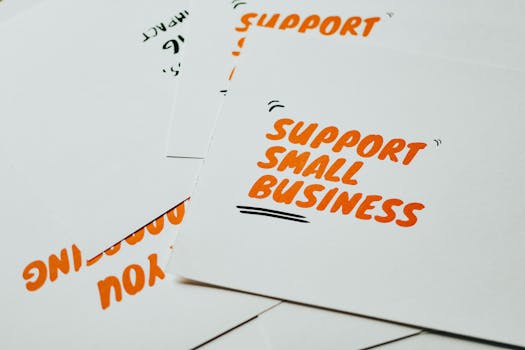 Photo: Eva Bronzini / Pexels
 Photo: Tara Winstead / Pexels
 Photo: Sora Shimazaki / Pexels