✓ Nonprofit legal services offer significantly reduced or free legal counsel for eligible startups.
✓ These services cover critical areas like entity formation, intellectual property, contracts, and regulatory compliance.
✓ Eligibility often depends on income, business stage, and social impact mission.
✓ Accessing these services can save startups thousands of dollars in legal fees, crucial for early-stage growth.
How It Works
1
Identify Your Needs
Determine the specific legal challenges your startup faces, such as incorporation, intellectual property protection, or contract drafting. This clarity will help you find the right type of assistance.
2
Research & Apply
Search for nonprofit legal organizations or university legal clinics specializing in startup or small business law in your region. Review their eligibility criteria and submit a detailed application.
3
Initial Consultation & Assessment
Once accepted, you'll typically have an initial consultation with an attorney or legal team. They will assess your legal situation, provide preliminary advice, and outline potential next steps.
4
Receive Ongoing Support
Depending on the program, you may receive ongoing legal guidance, document review, and representation. Maintain open communication and provide all necessary information for effective assistance.
The Crucial Role of Affordable Legal Counsel for Startups
Photo: RDNE Stock project / Pexels
Launching a startup is an exhilarating journey filled with innovation, passion, and often, significant financial constraints. While founders pour their energy into product development, market strategy, and fundraising, the critical aspect of legal compliance can often be overlooked or deemed too expensive. This is where nonprofit legal services for startups step in, offering an invaluable lifeline. These organizations bridge the gap between burgeoning entrepreneurial dreams and the complex legal realities of establishing a business.
From the moment an idea sparks, legal considerations begin. Choosing the right business entity (LLC, C-Corp, S-Corp) has profound implications for liability, taxation, and future fundraising. Drafting founder agreements, protecting intellectual property, navigating employment law, and ensuring regulatory compliance are not just bureaucratic hurdles; they are foundational pillars for sustainable growth. A misstep in any of these areas can lead to costly disputes, loss of intellectual property, regulatory fines, or even the premature demise of the venture. For early-stage startups, where every dollar counts, hiring traditional law firms with their often-hefty hourly rates can be prohibitive. This financial barrier can force founders to either cut corners, rely on generic online templates, or delay seeking legal advice until a problem escalates – all risky propositions.
Nonprofit legal services for startups are specifically designed to mitigate these risks by providing high-quality, affordable, or even pro bono legal assistance. These services are typically offered by dedicated nonprofit organizations, university legal clinics, or bar association programs. Their mission is often rooted in fostering economic development, promoting social equity, or supporting innovation within their communities. By removing the financial burden of legal counsel, these services empower founders to focus on what they do best: building their businesses. They ensure that startups, regardless of their initial capital, have access to the expert guidance needed to establish a strong legal framework, protect their assets, and navigate the intricate regulatory landscape. This early legal scaffolding is not merely about avoiding problems; it's about building a robust, compliant, and attractive enterprise for investors and customers alike. It’s an investment in long-term viability, providing peace of mind and allowing founders to innovate with confidence. The impact extends beyond individual startups, contributing to a healthier, more dynamic entrepreneurial ecosystem.
Key Legal Areas Covered by Nonprofit Startup Services
Photo: Pavel Danilyuk / Pexels
Nonprofit legal services for startups typically offer a comprehensive suite of legal support tailored to the unique needs of new businesses. Understanding the breadth of these services can help founders identify where they need assistance most. One of the most fundamental areas is **Entity Formation and Governance**. This includes advising on the optimal legal structure for the startup (e.g., LLC, C-Corp, S-Corp), assisting with the drafting and filing of articles of incorporation or organization, and establishing internal governance documents like bylaws or operating agreements. Proper entity formation is crucial for limiting personal liability and setting the stage for future investment.
**Intellectual Property (IP) Protection** is another critical component. For many startups, their core value lies in their innovative ideas, products, or services. Nonprofit legal services can guide founders through the process of protecting their trademarks, copyrights, and trade secrets. This involves conducting searches, preparing and filing applications with the U.S. Patent and Trademark Office (USPTO), and advising on strategies to safeguard proprietary information. Without proper IP protection, a startup's most valuable assets can be vulnerable to infringement or theft, undermining its competitive advantage.
**Contract Drafting and Review** is an ongoing need for any business. Startups frequently enter into various agreements, including non-disclosure agreements (NDAs), independent contractor agreements, vendor contracts, customer terms of service, and partnership agreements. Nonprofit legal services can help draft these essential documents, ensuring they are legally sound, protect the startup's interests, and comply with applicable laws. They can also review contracts presented by third parties, identifying potential risks or unfavorable clauses.
Furthermore, these services often cover **Employment Law and HR Compliance**. As startups grow and begin to hire employees, they face a myriad of legal obligations related to hiring practices, employment contracts, employee handbooks, wage and hour laws, and workplace discrimination. Navigating these regulations can be complex, and nonprofit lawyers can provide guidance to ensure the startup remains compliant and avoids potential legal disputes with employees. Finally, **Regulatory Compliance and Data Privacy** are increasingly important. Depending on the industry, startups may be subject to specific federal, state, and local regulations. Nonprofit legal services can help identify these requirements and advise on compliance, including data privacy laws like CCPA or HIPAA, if applicable. This proactive approach helps startups avoid penalties and build trust with their customers. By addressing these diverse legal needs, nonprofit services provide a holistic foundation for startup success.
Eligibility, Application, and Maximizing Pro Bono Legal Support
Photo: RDNE Stock project / Pexels
Accessing nonprofit legal services for startups requires understanding the eligibility criteria and navigating the application process effectively. While specific requirements vary by organization, common factors often include the startup's stage of development, its financial need, and sometimes, its potential for social or economic impact. Most programs are designed for early-stage startups that lack the financial resources to afford traditional legal counsel. This often means businesses that are pre-revenue, have limited funding, or are operating on a shoestring budget. Some organizations may also prioritize startups led by underrepresented founders or those addressing specific community needs.
To apply, startups typically need to submit a detailed application that outlines their business idea, current stage, financial situation, and specific legal challenges. This application often requires a business plan, financial projections, and a clear explanation of why pro bono or low-cost legal assistance is necessary. Transparency and thoroughness in this initial submission are crucial. Providing all requested documents and clearly articulating your needs can significantly improve your chances of acceptance. Once an application is submitted, there's usually a review process, which may include an initial screening interview to assess eligibility and the scope of legal work required.
Maximizing the value of pro bono legal support involves several key strategies. Firstly, be prepared and organized. Have all relevant business documents, financial statements, and a clear understanding of your legal questions ready before your consultations. Time with pro bono attorneys is valuable, and being organized ensures that it is used efficiently. Secondly, communicate clearly and proactively. Don't hesitate to ask questions, clarify advice, and keep your legal team informed of any significant business developments that might impact your legal needs. Building a strong, collaborative relationship with your pro bono counsel is essential.
Thirdly, understand the scope of services. While nonprofit legal services are incredibly helpful, they may have limitations on the types of cases they handle or the amount of time they can dedicate. Be clear about what services are covered and what might fall outside their purview. This prevents misunderstandings and allows you to plan for any remaining legal needs. Finally, be respectful of the attorneys' time and commitment. Remember that they are often providing their expertise voluntarily or at a significantly reduced rate. Showing appreciation and being a responsive client can foster a positive working relationship and potentially lead to continued support. By understanding the eligibility, preparing thoroughly, and engaging proactively, startups can effectively leverage nonprofit legal services to build a strong legal foundation without breaking the bank.
Common Pitfalls and Best Practices for Startup Legal Health
Photo: RDNE Stock project / Pexels
While nonprofit legal services for startups offer an incredible advantage, founders must also be aware of common pitfalls and adopt best practices to ensure long-term legal health. One significant mistake is **delaying legal advice**. Many founders wait until a problem arises—a dispute with a co-founder, an intellectual property infringement, or a regulatory inquiry—before seeking legal counsel. Proactive legal planning is far more cost-effective and less stressful than reactive problem-solving. Early engagement with legal professionals can prevent many common issues from escalating.
Another pitfall is **relying solely on online templates without customization or review**. While templates can be a starting point, they are rarely sufficient for the specific nuances of a startup's business model, industry, or jurisdiction. Using generic documents without expert review can lead to unenforceable contracts, inadequate IP protection, or non-compliance with critical regulations. Nonprofit legal services can help customize these documents to fit your unique situation.
**Ignoring co-founder agreements** is a surprisingly common and often devastating mistake. Many startups begin with verbal agreements among friends or colleagues, only to face severe disputes later over equity, responsibilities, or exit strategies. A clear, written co-founder agreement, drafted with legal input, is essential from day one to define roles, equity vesting, decision-making processes, and dispute resolution mechanisms.
Here are some best practices for maintaining strong startup legal health:
* **Prioritize Legal Due Diligence Early:** Before launching, understand the legal landscape of your industry, including any specific licenses, permits, or regulatory approvals required.
* **Document Everything:** Maintain meticulous records of all legal documents, contracts, communications, and intellectual property filings. Good record-keeping is invaluable in case of future audits or disputes.
* **Understand Your IP:** Clearly identify and actively protect your intellectual property. This includes trademarks for your brand, copyrights for your content, and patents for your inventions. Work with legal counsel to implement a robust IP strategy.
* **Separate Personal and Business Finances:** From the outset, ensure a clear distinction between personal and business assets and liabilities. This reinforces the corporate veil and protects personal assets.
* **Stay Informed on Regulations:** Regularly monitor changes in relevant laws and regulations, especially concerning data privacy, employment, and industry-specific compliance. Your legal counsel can provide updates and guidance.
* **Review Contracts Carefully:** Never sign a contract without fully understanding its terms and implications. If in doubt, seek legal review, even for seemingly minor agreements.
* **Plan for Growth:** Consider the legal implications of scaling your business, including potential fundraising, hiring more employees, or expanding into new markets. Proactive planning can prevent legal bottlenecks down the line.
By avoiding these common pitfalls and adopting these best practices, startups can leverage nonprofit legal services to build a solid legal foundation that supports their growth and resilience.
Comparison
Feature
Nonprofit Legal Services
Traditional Law Firms
Online Legal Platforms
Cost
Low to Pro Bono
High hourly rates/retainers
Subscription/per-document fee
Personalized Advice
Highly personalized
Highly personalized
Limited/generic
Expertise Level
High (specialized in startups)
High (broad range)
Varies, often general
Eligibility Requirements
✓ (income/stage-based)
✗ (open to all)
✗ (open to all)
Scope of Services
Often comprehensive for startups
Full range of legal services
Basic document generation/review
Relationship Building
✓ (long-term potential)
✓ (long-term potential)
✗ (transactional)
What Readers Say
★★★★★
"The legal clinic helped us incorporate our tech startup and draft our founder agreements. Their expertise in nonprofit legal services for startups was invaluable, saving us thousands in initial costs."
Maria S. · Austin, TX
★★★★★
"As a first-time founder, navigating IP protection felt overwhelming. The pro bono legal team provided clear guidance on trademarking our brand, making the process smooth and affordable."
David L. · Denver, CO
★★★★★
"Thanks to the nonprofit legal services for startups, we secured our first major contract with confidence. Their review caught several critical clauses we would have missed, directly impacting our revenue."
Jessica P. · Miami, FL
★★★★★
"While the process took a bit longer than expected due to demand, the quality of advice received for our employment contracts was exceptional. It's a fantastic resource for cash-strapped startups."
Omar K. · Seattle, WA
★★★★★
"Our social enterprise needed specific legal guidance on nonprofit compliance and corporate structure. The lawyers understood our unique mission and provided tailored, expert support, which was a huge relief."
Sarah W. · Boston, MA
Frequently Asked Questions
What types of startups are eligible for nonprofit legal services?
Eligibility typically focuses on early-stage startups with demonstrated financial need, often those pre-revenue or with limited funding. Some programs may also prioritize startups with a social impact mission, led by underrepresented founders, or operating in specific industries. It's best to check the specific criteria of each organization you approach.
Are nonprofit legal services for startups truly free?
Many services are offered pro bono (free of charge), especially through university legal clinics or specific grant-funded programs. Others may operate on a sliding scale fee based on the startup's income and assets, making them significantly more affordable than traditional law firms. The exact cost structure varies by provider.
How do I find nonprofit legal services for startups in my area?
You can start by searching online for 'startup legal clinics [your city/state]', 'pro bono legal services for small business', or 'nonprofit legal aid for entrepreneurs'. University law schools often have clinics, and local bar associations or economic development agencies can also be great resources for referrals.
What is the typical turnaround time for receiving legal assistance?
The turnaround time can vary widely depending on the organization's caseload, the complexity of your legal needs, and the application volume. Some organizations may offer immediate consultations, while others might have a waiting list of several weeks or months. It's advisable to apply early and inquire about expected timelines.
How do nonprofit legal services compare to using an online legal platform?
Nonprofit legal services offer personalized, expert advice and direct attorney-client relationships, tailored to your specific situation. Online legal platforms primarily provide templates and automated document generation, with limited or no direct legal counsel. While cheaper, online platforms lack the nuanced guidance crucial for complex startup legal matters.
Who should use nonprofit legal services for startups?
Any early-stage startup founder facing significant legal questions but lacking the budget for traditional legal fees should consider these services. This includes individuals forming their first company, those needing help with intellectual property, contract drafting, or navigating initial regulatory compliance, especially if they have a clear business plan and specific legal needs.
Are there any risks associated with using pro bono legal services?
The primary 'risk' is often the limited scope or potentially longer turnaround times compared to paying for a private firm. However, the quality of legal advice is generally high, as these services are often provided by experienced attorneys or supervised law students. Ensure you understand the scope of engagement and communicate clearly to mitigate any potential issues.
What future trends might impact nonprofit legal services for startups?
We anticipate an increased focus on specialized areas like AI ethics, data governance, and cybersecurity as tech startups evolve. There may also be a rise in services supporting impact-driven startups (e.g., B-Corps, social enterprises) and those in emerging industries. Virtual legal clinics could also become more prevalent, expanding access to a broader geographic reach.
Don't let legal costs hinder your startup's potential. Explore the invaluable resources offered by nonprofit legal services for startups today. Secure the expert guidance you need to build a strong, compliant, and successful venture from the ground up.

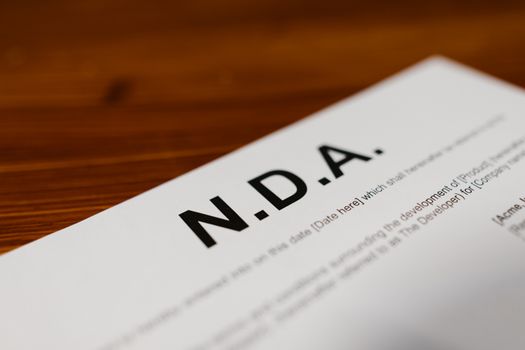 Photo: RDNE Stock project / Pexels
 Photo: Pavel Danilyuk / Pexels
 Photo: RDNE Stock project / Pexels
 Photo: RDNE Stock project / Pexels