
Essential Software for Nonprofit Organizations US
software for nonprofit organizations US

Essential Software for Nonprofit Organizations US

Unlock efficiency and amplify your mission with the right technological tools tailored for US nonprofits.

Explore Solutions Now

Key Takeaways

  • ✓ Over 1.5 million nonprofit organizations operate in the US.
  • ✓ Technology adoption can increase fundraising efficiency by up to 20%.
  • ✓ CRM systems are used by 70% of high-performing nonprofits.
  • ✓ Data security and compliance are paramount for US nonprofits handling sensitive donor information.

How It Works

1
Assess Your Needs

Identify your organization's specific operational challenges and strategic goals. This involves reviewing current processes in fundraising, donor management, and program delivery.

2
Research & Compare Solutions

Explore various software categories like CRM, accounting, and grant management. Evaluate vendors based on features, pricing, scalability, and US-specific compliance.

3
Implement & Integrate

Choose the best-fit software and plan a phased implementation. Ensure seamless integration with existing systems and provide comprehensive training for your team.

4
Optimize & Adapt

Continuously monitor software performance and gather user feedback. Regularly update your systems and adapt your strategies to leverage new features and evolving technological trends.

Navigating the Digital Landscape for US Nonprofits
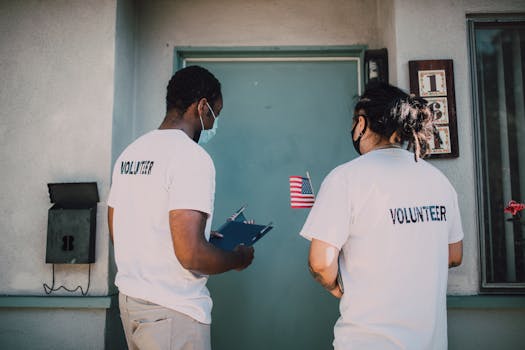
Two volunteers wear masks and visit community homes, engaging in outreach activities. Photo: RDNE Stock project / Pexels
The digital era has ushered in both unprecedented opportunities and complex challenges for nonprofit organizations across the United States. In an environment where resources are often stretched thin and the demand for impact is ever-increasing, leveraging the right technology is no longer a luxury but a fundamental necessity. Effective software for nonprofit organizations US can revolutionize how these vital entities operate, from managing donor relationships and streamlining fundraising efforts to enhancing program delivery and ensuring robust financial accountability. Without a strategic approach to technology, nonprofits risk falling behind, missing opportunities to connect with supporters, and failing to maximize their societal contributions. This section delves into the foundational importance of selecting appropriate software solutions, emphasizing how they serve as the backbone for sustainable growth and mission fulfillment. Choosing the right tools involves more than just picking a popular platform; it requires a deep understanding of your organization's unique needs, its operational scale, and its long-term strategic vision. For example, a small local charity focused on community outreach might prioritize ease of use and affordability in a donor management system, while a large national foundation with complex grant-making processes will require sophisticated features for compliance, reporting, and multi-layered stakeholder engagement. The landscape of available nonprofit technology is vast, encompassing everything from specialized CRM (Customer Relationship Management) systems designed specifically for donor tracking to comprehensive accounting packages that integrate with fundraising and program management modules. Furthermore, the regulatory environment in the US for nonprofits adds another layer of complexity. Software solutions must not only be efficient but also compliant with various federal and state regulations concerning data privacy, financial reporting, and fundraising transparency. This includes adherence to standards like PCI DSS for payment processing, HIPAA for health-related data (if applicable), and IRS requirements for tax-exempt organizations. A robust software strategy mitigates risks, enhances credibility, and frees up valuable human resources to focus on core mission activities rather than administrative burdens. By embracing technology thoughtfully, US nonprofits can build stronger communities, deliver more impactful programs, and secure a more sustainable future, proving that strategic software investment is truly an investment in their mission.

Core Software Categories for Impactful Operations

Group of volunteers organizing and distributing aid packages and bottled water outdoors. Photo: RDNE Stock project / Pexels
To truly thrive, nonprofit organizations in the US must strategically adopt a suite of software tools that address their diverse operational needs. These tools fall into several core categories, each playing a critical role in enhancing efficiency, transparency, and overall impact. Understanding these categories and their specific functions is the first step in building a robust technological infrastructure. **1. Donor Management and CRM Software:** This is arguably the most crucial category for any nonprofit. Donor management software helps organizations track donor information, communication history, donation patterns, and engagement levels. A good nonprofit CRM (Constituent Relationship Management) system allows for personalized communication, segmentation of donor lists, and automated outreach, fostering stronger relationships and improving donor retention. Key features often include donation processing, recurring gift management, pledge tracking, and robust reporting on fundraising campaigns. Examples of specific functionalities include the ability to log every interaction with a major donor, schedule follow-up tasks, and analyze the effectiveness of different solicitation methods. This leads to more targeted fundraising efforts and a deeper understanding of supporter motivations. **2. Fundraising and Event Management Software:** Beyond basic donor tracking, specialized fundraising software facilitates online donations, peer-to-peer fundraising campaigns, and crowdfunding initiatives. Event management tools simplify the planning, promotion, and execution of fundraising events, from galas to walkathons. They often include features for ticketing, registration, volunteer management, and post-event analysis, ensuring that events are not only successful but also efficient. This category is vital for expanding reach and diversifying revenue streams beyond traditional appeals. **3. Accounting and Financial Management Software:** While many nonprofits use standard accounting software, specialized solutions designed for the nonprofit sector offer unique functionalities. These include fund accounting (tracking restricted vs. unrestricted funds), grant accounting, budget management, and comprehensive financial reporting tailored to FASB (Financial Accounting Standards Board) requirements. Accurate financial management is critical for compliance, transparency, and demonstrating fiscal responsibility to donors and regulators. These systems help ensure that funds are allocated correctly and reported accurately, preventing misuse and building trust. **4. Program Management and Impact Measurement Software:** For organizations focused on direct service delivery, program management software helps track beneficiaries, manage services, and measure the impact of their work. These tools can handle case management, volunteer scheduling, resource allocation, and outcome tracking. The ability to collect and analyze data on program effectiveness is essential for demonstrating impact to funders and continuously improving services. This category is increasingly important as funders demand more data-driven evidence of positive change. **5. Marketing and Communication Tools:** Email marketing platforms, social media management tools, and website content management systems (CMS) are essential for reaching target audiences, engaging supporters, and disseminating information about your mission and impact. These tools enable nonprofits to craft compelling narratives, manage communication channels, and analyze engagement metrics to refine their outreach strategies. A cohesive marketing strategy, supported by appropriate software, ensures that your message resonates with the right people at the right time. By carefully selecting and integrating software from these categories, US nonprofits can build a powerful digital ecosystem that supports every facet of their operation, from the initial donor touchpoint to the final impact report. The goal is to create a seamless flow of information and processes that ultimately frees up staff to focus on what matters most: fulfilling their mission.

Choosing the Right Software for Your US Nonprofit: Key Considerations

Group of volunteers smiling while sorting donation boxes indoors for a charity organization. Photo: Gustavo Fring / Pexels
The process of selecting the most suitable software for nonprofit organizations US can feel overwhelming given the myriad options available. However, by focusing on several key considerations, organizations can make informed decisions that align with their strategic goals and operational realities. This isn't just about finding a tool; it's about investing in a solution that will empower your mission for years to come. **1. Budget and Affordability:** Nonprofits often operate with tight budgets, making cost a primary factor. While some vendors offer discounted rates or free versions for nonprofits, it's crucial to consider not just the upfront licensing fees but also ongoing maintenance, training, and potential integration costs. Look for transparent pricing models and understand the total cost of ownership over several years. Free or low-cost options might seem appealing, but they can sometimes lack essential features or scalability, leading to higher costs down the line if a migration becomes necessary. **2. Scalability and Future Growth:** Your organization's needs today may differ significantly from its needs five years from now. Choose software that can scale with your growth, accommodating an increasing number of donors, programs, or staff members without requiring a complete overhaul. Cloud-based solutions often offer greater scalability and flexibility compared to on-premise systems, allowing for easy upgrades and access from anywhere. **3. Ease of Use and User Adoption:** Even the most powerful software is useless if your team can't or won't use it. Prioritize solutions with intuitive interfaces and clear workflows. Look for vendors who offer comprehensive training and responsive customer support. Pilot programs with a small group of users can provide valuable feedback on usability before a full rollout. High user adoption rates are critical for realizing the full benefits of any software investment. **4. Integration Capabilities:** Nonprofits rarely rely on a single software solution. The ability of new software to integrate seamlessly with existing systems (e.g., your website, accounting software, email marketing platform) is paramount. This avoids data silos, reduces manual data entry, and ensures a single source of truth for critical information. APIs (Application Programming Interfaces) are key indicators of strong integration capabilities. **5. Data Security and Compliance:** For US nonprofits, handling sensitive donor and beneficiary data demands robust security measures. Ensure that the chosen software provider adheres to industry best practices for data encryption, access control, and disaster recovery. Furthermore, verify that the software helps your organization comply with relevant regulations, such as PCI DSS for payment processing and state-specific privacy laws. Data breaches can severely damage an organization's reputation and trust, making this a non-negotiable factor. **6. Vendor Reputation and Support:** Research potential vendors thoroughly. Read reviews, ask for references from other nonprofits, and evaluate the quality of their customer support. A reliable vendor will offer excellent technical support, regular software updates, and a commitment to understanding the unique needs of the nonprofit sector. A strong partnership with your software provider can make a significant difference in long-term success. By methodically addressing these considerations, US nonprofits can confidently select software solutions that not only solve immediate problems but also lay a strong technological foundation for sustained impact and mission fulfillment. The right tools can truly transform how your organization operates, allowing you to focus more energy on the communities you serve and less on administrative hurdles. This strategic approach ensures that every dollar invested in technology yields maximum return in terms of efficiency and mission advancement. For more insights on general nonprofit strategies, consider exploring resources dedicated to organizational development.

Common Pitfalls to Avoid When Implementing Nonprofit Software & Best Practices

Group of volunteers organizing and distributing aid packages and bottled water outdoors. Photo: RDNE Stock project / Pexels
Implementing new software for nonprofit organizations US is a significant undertaking that, if not managed carefully, can lead to frustration, wasted resources, and ultimately, a failure to achieve desired outcomes. Being aware of common pitfalls and adopting best practices can smooth the transition and maximize the return on your technology investment. **Common Pitfalls to Avoid:** * **Lack of Clear Objectives:** Diving into software selection without clearly defined goals can lead to choosing a tool that doesn't truly meet your needs. * **Insufficient Stakeholder Buy-in:** If staff, board members, and key volunteers aren't involved in the decision-making process, adoption rates will likely be low. * **Underestimating Training Needs:** Assuming staff will quickly pick up new software without adequate training is a recipe for inefficiency and resistance. * **Ignoring Data Migration Challenges:** Transferring data from old systems to new ones can be complex and time-consuming. Underestimating this can cause significant delays. * **Over-customization:** While some customization is good, excessive customization can make upgrades difficult and expensive, and may not be sustainable. * **Neglecting Post-Implementation Support:** The launch is not the end. Ongoing support, troubleshooting, and continuous improvement are crucial. * **Choosing Based Solely on Price:** The cheapest option might lack critical features, leading to workarounds or the need for another replacement sooner than expected. **Best Practices for Successful Implementation:** 1. **Form a Dedicated Project Team:** Assemble a diverse team including representatives from fundraising, programs, finance, and IT to guide the process. 2. **Conduct a Thorough Needs Assessment:** Document current pain points, desired functionalities, and future growth projections before looking at vendors. 3. **Prioritize Features:** Distinguish between 'must-have' and 'nice-to-have' features to narrow down options and manage expectations. 4. **Request Demos and Free Trials:** Experience the software firsthand and involve key users in the testing phase. 5. **Plan for Data Migration:** Develop a detailed data migration strategy, including data cleansing, mapping, and testing. 6. **Invest in Comprehensive Training:** Provide varied training formats (webinars, in-person, self-paced) and ongoing support resources. 7. **Establish Clear Communication:** Keep all stakeholders informed throughout the selection and implementation process. 8. **Phased Rollout:** Consider a phased implementation approach, starting with a pilot group or specific modules, before a full organizational rollout. 9. **Measure Success:** Define key performance indicators (KPIs) to track the software's impact on efficiency, fundraising, and program outcomes. 10. **Regular Review and Optimization:** Schedule regular reviews to assess usage, gather feedback, and identify opportunities for further optimization or additional features. By proactively addressing these areas, US nonprofits can navigate the complexities of software implementation with confidence, ensuring that their technology investments truly empower their mission and enhance their overall effectiveness.

Comparison

FeatureCRM Especializado (e.g., Blackbaud, Salesforce NPSP)CRM Generalista (e.g., HubSpot)Herramienta Financiera (e.g., QuickBooks Premier for Nonprofits)
Gestión de Donantes y Recaudación✓ (Diseñado específicamente para esto)Limitado, requiere personalización✗ (Solo contabilidad)
Contabilidad de FondosA menudo integrado o con add-ons✓ (Fuerte en esto)
Cumplimiento Normativo US✓ (Construido con regulaciones sin fines de lucro en mente)Requiere configuración manual✓ (Versión Premier orientada a US)
Gestión de VoluntariosA menudo integradoRequiere integración de terceros
Informes de Impacto y Programas

What Readers Say

"Using our new donor management software for nonprofit organizations US has transformed our fundraising. We can now segment donors effectively and personalize our outreach, leading to a noticeable increase in engagement."

Sarah Chen · Boston, MA

"The accounting software tailored for nonprofits has simplified our grant reporting immensely. It ensures we're always compliant, which is a huge relief for our small finance team."

David Ramirez · Austin, TX

"Our new CRM for nonprofit organizations US helped us increase our annual donor retention by 15% in the first year alone. The automated communication features save us so much time."

Maria Lopez · San Francisco, CA

"While the initial setup for our new software for nonprofit organizations US was a bit challenging, the long-term benefits in terms of data consolidation and reporting have been well worth the effort. Support has been responsive."

James O'Connell · Chicago, IL

"As a small environmental advocacy group, the integrated event management and fundraising platform for nonprofit organizations US has allowed us to host successful campaigns with limited staff. It's incredibly user-friendly."

Emily White · Seattle, WA

Frequently Asked Questions

¿Cuál es el tipo de software más importante para una organización sin fines de lucro en los EE. UU.?

El tipo de software más crucial suele ser un sistema CRM (Gestión de Relaciones con los Constituyentes) o de gestión de donantes. Este centraliza la información de los donantes, gestiona las comunicaciones, rastrea las donaciones y ayuda a construir relaciones, lo cual es fundamental para la sostenibilidad financiera de cualquier organización sin fines de lucro en los EE. UU.

¿Es el software específico para organizaciones sin fines de lucro realmente diferente del software empresarial estándar?

Sí, el software específico para organizaciones sin fines de lucro está diseñado con las necesidades únicas del sector en mente, como la contabilidad de fondos, la gestión de subvenciones, el seguimiento de voluntarios y los informes de cumplimiento normativo específicos de la IRS y las leyes estatales de EE. UU. Aunque el software empresarial puede adaptarse, a menudo carece de estas funcionalidades clave sin una personalización costosa.

¿Cómo podemos migrar nuestros datos antiguos a un nuevo sistema de software?

La migración de datos es un paso crítico. Comience por limpiar sus datos existentes, eliminando duplicados e información desactualizada. Luego, trabaje con su nuevo proveedor de software para mapear sus datos antiguos a los nuevos campos del sistema. A menudo, esto implica exportar datos a formatos como CSV y luego importarlos, con pruebas exhaustivas para asegurar la integridad de los datos.

¿Cuánto cuesta el software para organizaciones sin fines de lucro en los EE. UU.?

El costo puede variar ampliamente, desde opciones gratuitas o de bajo costo para organizaciones pequeñas hasta miles de dólares anuales para soluciones empresariales completas. Muchos proveedores ofrecen descuentos para organizaciones sin fines de lucro. Es esencial considerar no solo la tarifa de licencia inicial, sino también los costos de implementación, capacitación y mantenimiento continuo.

¿Deberíamos elegir un software basado en la nube o en las instalaciones?

La mayoría de las organizaciones sin fines de lucro en los EE. UU. optan por software basado en la nube (SaaS). Ofrece mayor flexibilidad, accesibilidad desde cualquier lugar, menores costos de mantenimiento de TI y actualizaciones automáticas. Las soluciones en las instalaciones son menos comunes hoy en día y suelen requerir una infraestructura de TI y personal significativos.

¿Quién se beneficia más al implementar software para organizaciones sin fines de lucro en los EE. UU.?

Todo el personal de la organización se beneficia, desde los equipos de recaudación de fondos y marketing que pueden personalizar las comunicaciones, hasta los gerentes de programas que pueden rastrear el impacto, y el personal de finanzas que asegura la conformidad. En última instancia, los donantes y los beneficiarios también se benefician de una organización más eficiente y transparente.

¿Cómo garantizamos la seguridad de los datos de los donantes con el nuevo software?

Asegúrese de que el proveedor de software cumpla con estándares de seguridad de datos líderes en la industria, como el cifrado de datos, los controles de acceso de usuarios y las copias de seguridad regulares. Revise sus políticas de privacidad y los acuerdos de nivel de servicio (SLA). También es crucial capacitar a su personal sobre las mejores prácticas de seguridad de datos para evitar errores humanos.

¿Qué tendencias futuras se esperan en el software para organizaciones sin fines de lucro en los EE. UU.?

Se espera que el software para organizaciones sin fines de lucro continúe evolucionando con un mayor uso de la inteligencia artificial (IA) para la segmentación predictiva de donantes, la automatización avanzada de marketing, la personalización de la experiencia del donante y herramientas de informes de impacto más sofisticadas. La integración entre diferentes plataformas también será cada vez más fluida.

Embrace the power of technology to elevate your mission. The right software for nonprofit organizations US can be the catalyst for greater efficiency, stronger donor relationships, and ultimately, a more profound impact on the communities you serve. Start your journey towards digital transformation today.

Topics: software for nonprofit organizations USnonprofit CRMfundraising software USnonprofit management toolsdonor management software
Leo List
Brampton weed
Adultwork